⌜
⌝
Game Producer ▽ Music Composer
Senior Game Producer working on really cool projects with creative teams distributed remotely across the globe. Previously I grew multiple outsourcing teams for Fortune 500 clients before switching to the gaming industry where I’m now producing major releases for Art, UI/UX, VR, Localization, etc.During my free time I like exploring artist alleys, listening to VGM, playing guitar, doodling in game engines and keeping up with my anime backlog. When time allows I also like doing music for games and animations.
| [ name ] | Esteban / White Lotuz |
| [ pronouns ] | he / him |
| [ languages ] | ENG / SPA / JP |
| [ discord ] | whtltz |
エステバン // ホワイト・ロータス
Creative direction & production
Live-service/post-launch experience
Visual & narrative storytelling iteration
Cross-discipline team leadership and mentoring
Creative ambition vs team capacity balance
Roadmap & milestone strategy
Risk & budget management
Stakeholder communication & reporting
Agile, scrum & hybrid best practices
Hiring & org planning
Task prioritization & workflow optimization
Community management & feedback triage
Collaboration tool expertise (Linear, Jira, Confluence, ClickUp, GitHub, Trello, etc)
Engine pipeline fluency (Unity, Godot, Unreal)
QA, engineering & audio background
Senior Producer @ VRChat
Live Service / ~15M+ users / ~50k+ CCU
Steam (PC & VR), Meta Quest, Pico, Android, iOS
Summer Accelerator @ GameHeads Oakland / 2026
Global Game Jam @ Universidad Creativa / 2026
Cafecitos @ PRGDA × Latinx in Gaming / 2025

hololive Meet x VRChat
UI Localization

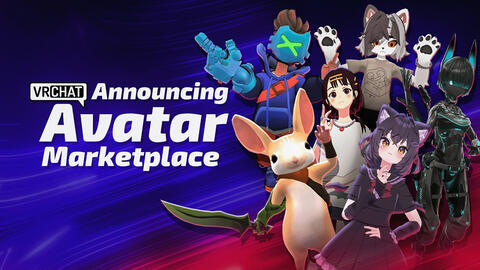
Avatar Marketplace

Items & Accessories

Home World Update

Native Hand Tracking
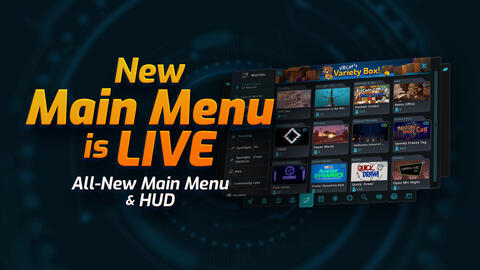
UI 2.0
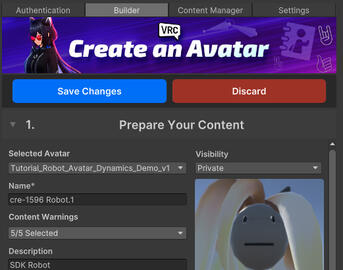
SDK UI Redesign

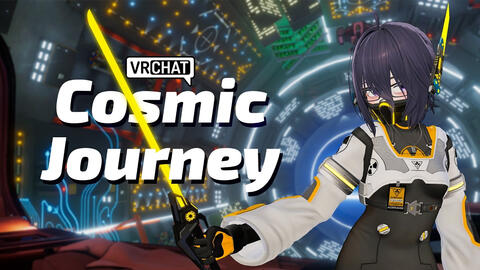
...and many, many other features and improvements
// hololive Meet × VRChat @ VRChat //Supported for AnimeNYC 2023, this involved extensive collaboration with our amazing partners and our internal artists, engineers, and operations teams. Our shared booth at the convention featured collectable cards with QR codes to a special Hololive themed version of our website and a VR play-space for people to try VRChat. We also created a new themed VRChat world with a live-stream of the event in real time so users from all over the world could also enjoy the experience.This was such a special collaboration that I took some PTO to fly to New York and enjoy the experience in person. The booth looked beautiful and the crowd was amazing: fans laughed, screamed, sang and cried as this was one of the first opportunities they had to thank their favorite vtubers 1-1 for what they've meant in their lives. It was an incredibly fun, emotional and authentic experience, an avid reminder I keep on why I enjoy doing what I do.


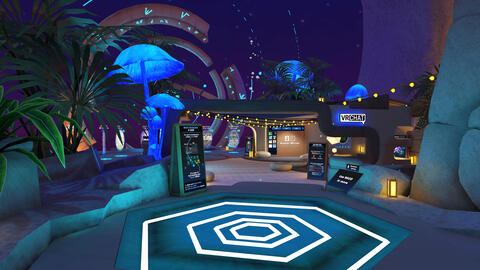
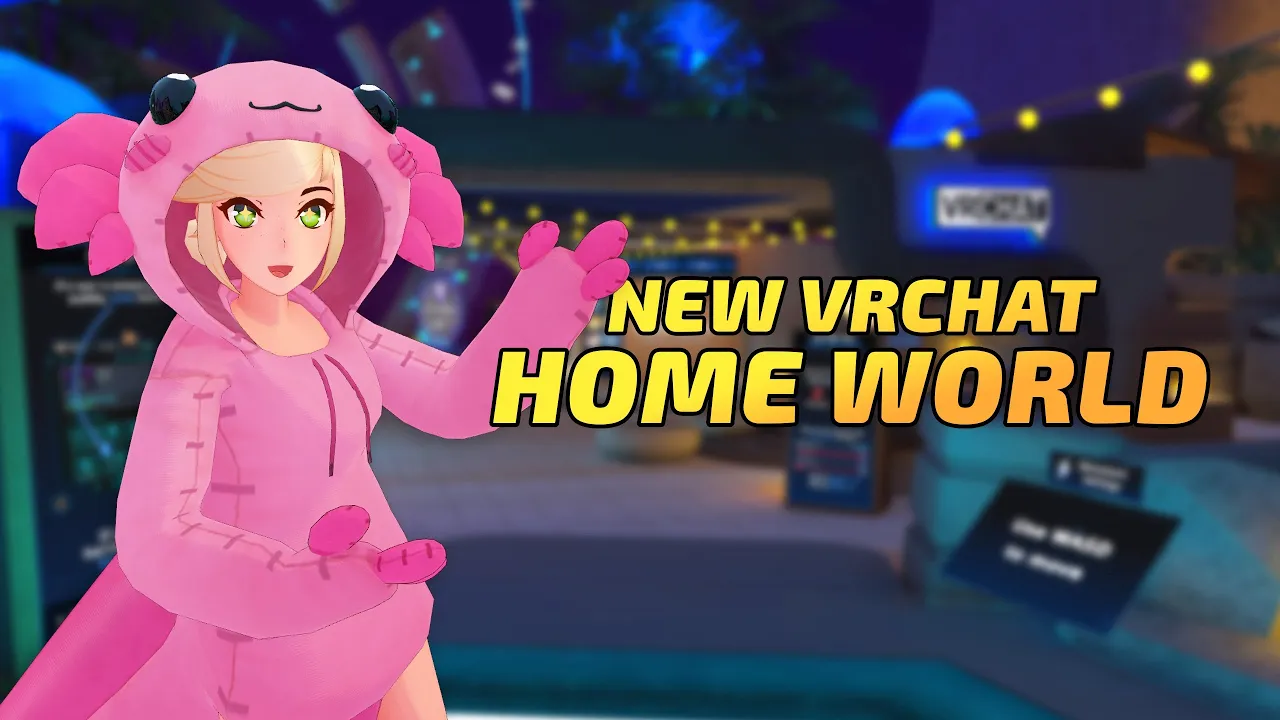
// Home World Update @ VRChat //Our Home World is the first experience for new users and the most recurring one for everyone else as well, so after months of iteration we journeyed through a more exciting and aesthetically pleasing version that users would love. I lead production for this project in collaboration with our most talented artists and engineers with the goal of pushing our creative ambition as high as we could while also keeping performance optimized for the lowest spec hardware, enabling new spaces for new user tutorials, new feature showcases and brand collaborations.
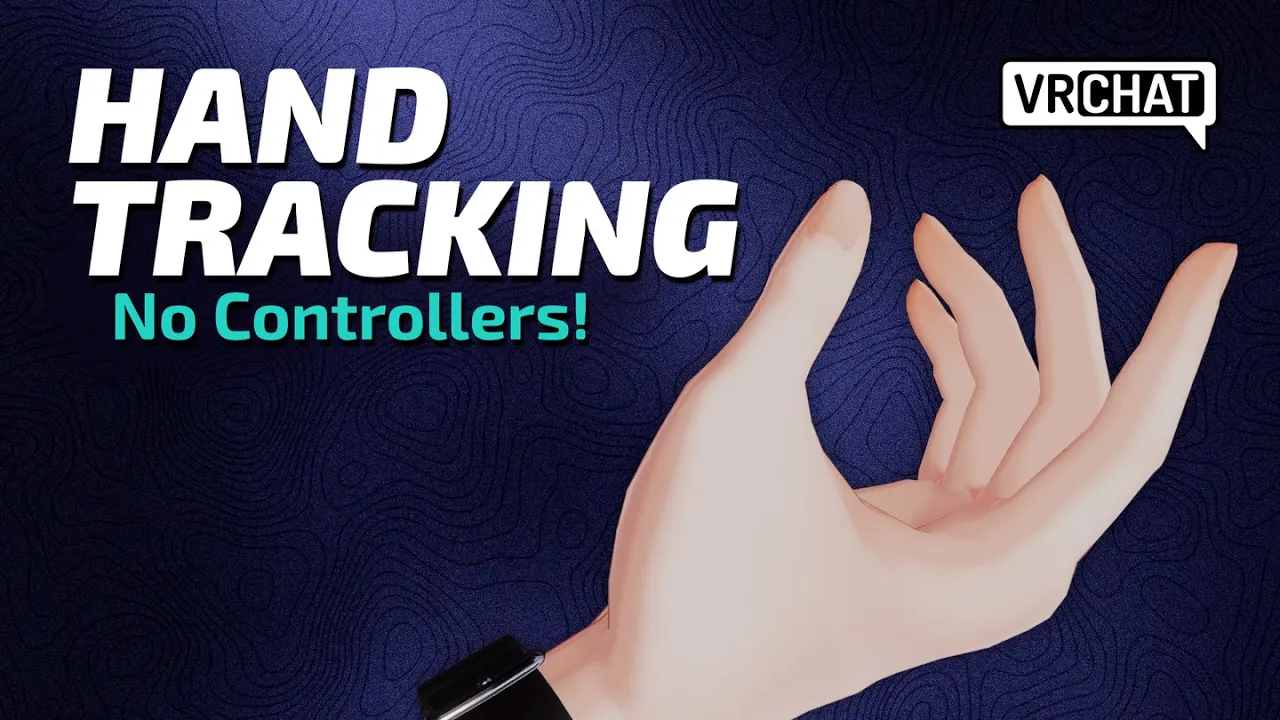
// Native Hand Tracking @ VRChat //One of my first adventures with the team, my goal as Producer for this project was to collaborate with our engineers and designers into taking years worth of learnings and discovery on the latest VR input tech at the time into a user-friendly implementation that allowed for more immersive movement and expression via Quest 2 (the latest go-to VR headset at the time) hand tracking. This resulted in setting up the foundations for a hand gesture driven system that supported all the usual actions users would do with traditional peripherals like controllers, mouse and keyboard which we later leveraged for future VR headsets and other hand tracking solutions.
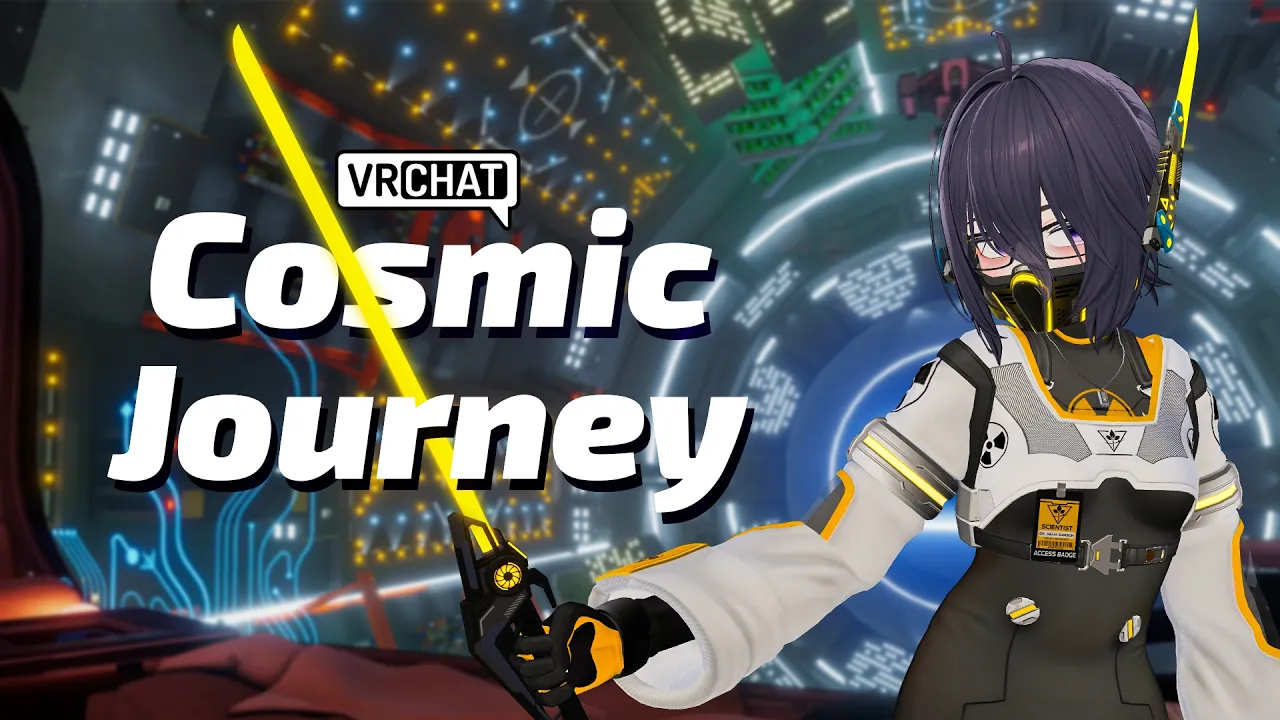
// Items & Accessories @ VRChat //I led production for the first new content types after avatars and worlds. These required a lot of conversations and alignment between teams on how these would interact with systems and UX in a way that felt as a natural progression to user identity and expression while also continuing iterations on the usual backend support for performance, safety, etc.
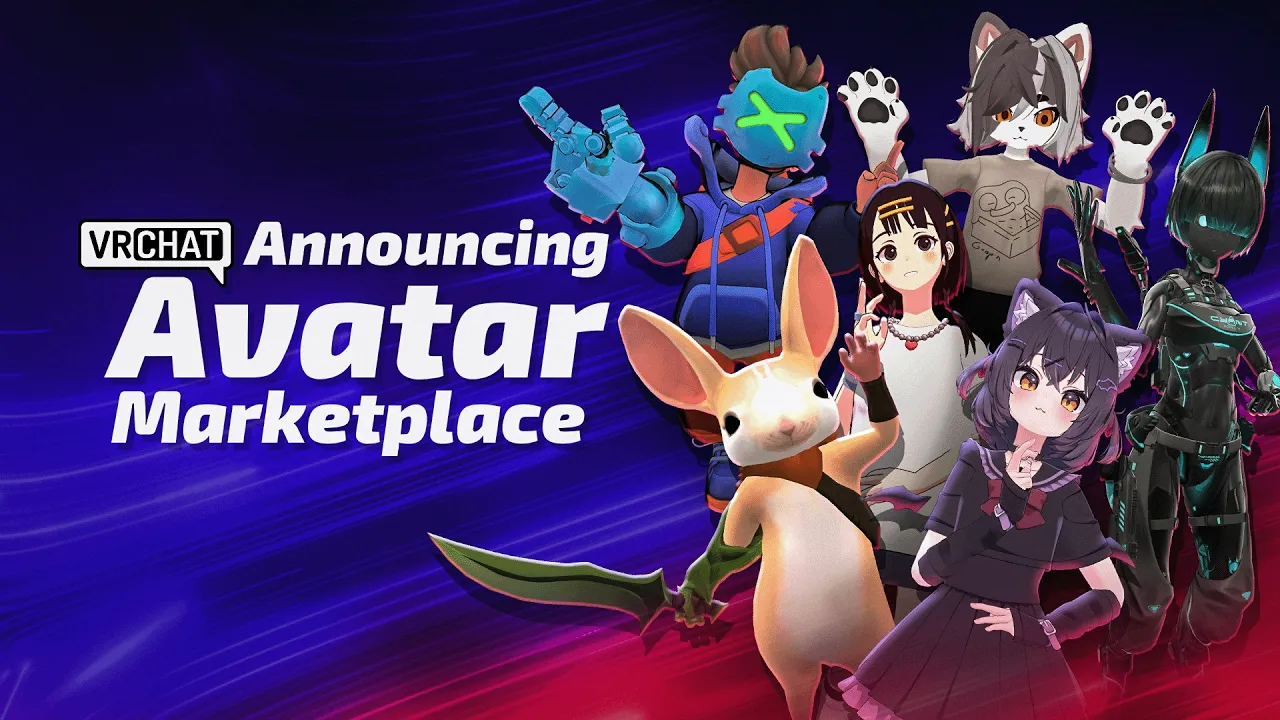
// Avatar Marketplace @ VRChat //One of our most complex internal projects to date, I led the production of our very first marketplace experience in our client. This required multiple collaboration efforts between multiple teams for the account backend preparation, SDK upload validations, web purchases management, internal submission review & approval pipelines, legal and financial compliance, initial closed testing organization & sourcing, and many UX iterations following community feedback.
// SDK UI Redesign @ VRChat //I led Production on our project to improve the flow and presentation on the SDK upload UI for avatars and worlds. This was more than just a polishing project as we wanted to also integrate multiple improvements in the backend including upload automation (so users could upload to multiple platforms easily) as well as security & validation upgrades.

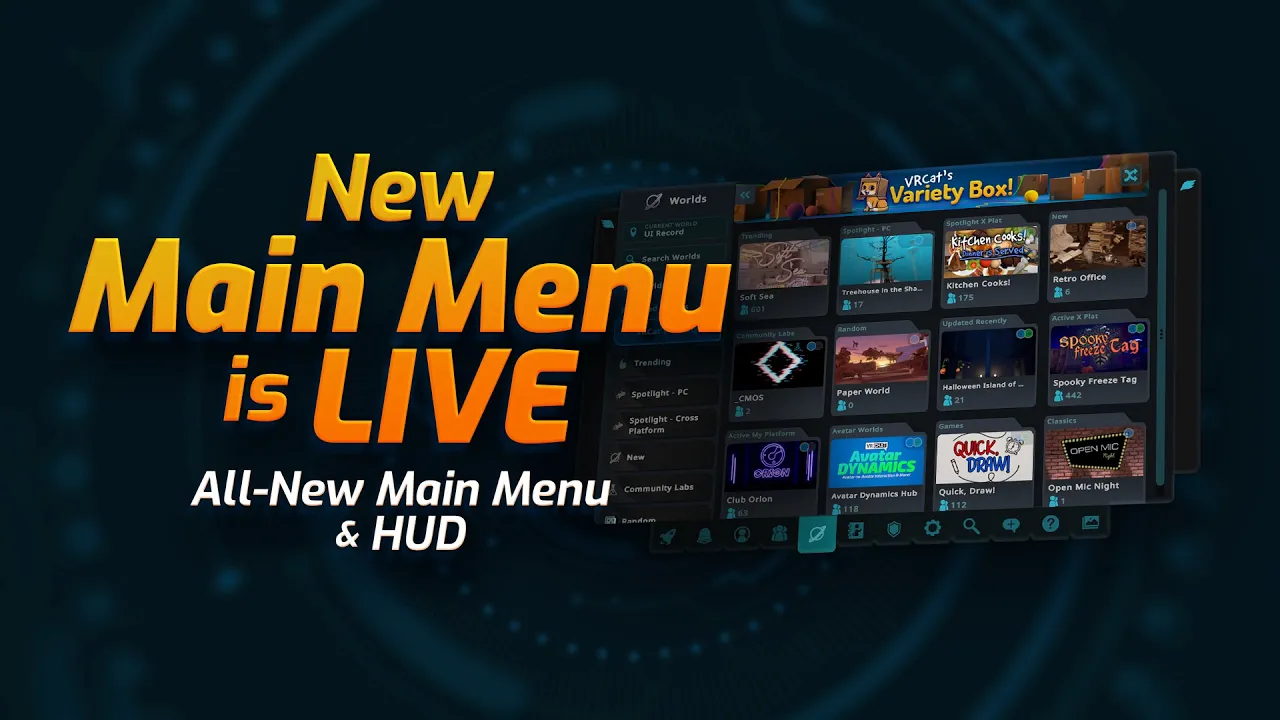
// UI 2.0 @ VRChat //I led production for our redesign project that overhauled our entire client UI system. This was a monumental effort to rethink our way through the different interaction layers across our menus, how to best preserve the muscle memory users have built through the years and also enable new features and settings that allowed users to better control their desired experience in our platform.
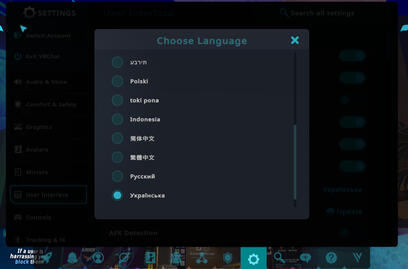
// UI Localization @ VRChat //One of the main priorities we had in our platform as we grew was multi-language support. I led the discovery, implementation and community collaboration for adding localization to our UI system where we opted for a community-led solution that worked best for accessibility and adoption. We defined new engineering processes and pipelines which allowed us to continue deploying live updates as we work on improving our support towards our multiple language communities.

This is my collection of best practices, tips and strategies that I’ve used throughout my career that may help make your (and your teams') life easier.
//// ⚠ ////
Every team is different and each has their own goals, do's and don'ts. This playbook's goal is to offer tips and recommendations based on my experience that can help teams of all types and sizes avoid common problems and find the right workflow that works for them.
| Ver | Date | Update |
|---|---|---|
| 1.0 | 2024.02.18 | First version |
| 1.1 | 2024.02.28 | Added navigation and templates |
| 1.2 | 2024.05.18 | Polished writing and migrated to Carrd |
| 1.3 | 2024.05.25 | Added corkboard and glossary tips under "Process" and "Organization" |
| 1.4 | 2024.06.15 | Added horizontal planning under "Process" and project templates under "Resources" |
| 1.5 | 2025.04.24 | Added tips to organize requirements under "Organization" |
| 1.6 | 2026.02.03 | Fixed a few typos |
| 1.7 | 2026.07.12 | Created a new "Resources for Costa Rica" hub and linked it in "Resources" page |
Simply put the task management tool you decide for your company will be your main facilitator of work. From my own personal experience I always recommend Linear but even if that’s not your style I recommend looking for a similar tool that has the following features built in:
SOC 2 Type II certification: make sure your work won’t be leaked by poor software security!
Automation & integrations: minimize repetitive manual effort and make communication across work apps easy
Simple vocabulary: Teams don’t need a scrum certification to do awesome work. The simpler it is the more they understand the goals we try to achieve. Something like
Project>Milestone>Taskis easy enough for most people.Auto-backlog sorting: Helps you keep your backlog prioritized with no manual effort! Simply define what’s most important to you (high impact tasks first, easier tasks first, etc.) and let your team work directly with filtered views. They now have a simple pool of tasks always organized by priority.
I like simplifying production into 3 stages: Planning→Projects→Maintenance. These can of course overlap, work in parallel and take different lengths and complexity levels based on what we’re trying to achieve. Teams working on a single player game might take longer on each stage but run through them a couple of times for patches or DLCs. Live games, on the other hand, could probably take less time on each stage but repeat this flow much more frequently.Here are some best practices I’ve found useful when thinking about process improvements:
Use project briefs: Simple document that transform ideas into a view (one-pager if possible) of what the project is, how we plan to achieve it and any flags we need to be aware of, etc. Check the Resources section for some templates!
Plan for discovery and support: Its very common to jump into implementation without a clear direction, or doing a launch and then jumping into the next project without supporting post-launch quality. Always budget time for these at the beginning and ending of a project plan respectively.
Setup feedback pipelines: During discovery, share your plans with the team for internal feedback before implementation to reduce the amount of rework that change suggestions could represent. Similarly, during the support period automate how user feedback is organized and prioritized to make solving critical user pain points easier.
“Easy wins” day: Even during projects, schedule or embed some small time every week for low effort/high value tasks. A good task management tool would make identifying these a breeze. 1 hour or so per week has very low impact to project deliverables but makes the users’ life better, one small fix at a time. Balancing a small amount of maintenance with project work when possible also helps the team not feeling limited to a single area.
Do retrospectives: After a project or important cycle ask yourself and your team, what should we “keep”, “stop” & “start” doing?
Define QA stages that make sense for your team: What represents quality for your project? Does it solve the real goal initially planned? Does it look nice without breaking performance? Are we proud and users happy after launch? Work with your QA team to setup the checkpoints you need to be confident of the quality of your releases.
Use an ideas corkboard: Use collaborative whiteboard tools like Miro to organize and prioritize ideas before they grow into projects in your roadmap. For those ideas that don't immediately align with the current goals, pin them in a dedicated "corkboard" space for future review! This way those ideas are not discarded (and people don't feel ignored) while also keeping focus on the current objectives.
Plan roadmaps, not backlogs: Planning work vertically (as a vertical backlog of wishlist items or "pet projects") tend to be difficult to manage as it places favorites alongside prioritization, divides team focus and creates a lot of bottlenecks as progress is not aligned. On the other hand, planning horizontally (roadmap across time) helps you see how projects serve a long-term purpose of feeding future dependencies and which areas (workstreams) are worth focusing on. I like to see it as:
Goalshelp defineWorkstreamsareas which can have projectRoadmaps. The sum of allWorkstream Roadmapsrepresents theCompany Roadmap.
While every company/studio/team will be different I believe there are still some key practices that a Producer can facilitate to achieve better work environments:
Have a clear organization map: If people are confused about who does what or who to reach out for something, how can we expect them to do their best? We can help by breaking down and communicating team roles & responsibilities in a clear way. This can also help prevent those “loudest voice wins the argument“ toxic situations in your work environment.
Hire facilitators: How good is to a team a top expert that doesn’t work well with others? Not much. Always consider work handoff, communication and feedback management as valuable skills of any potential member of your team. The easier they’re to work with the better time everyone (including you) will have working together :)
Grow sustainably: Every company wants to grow but take it slow. Throwing more people at a problem can make things worse, so plan your hiring and growth carefully only to what you need. If you try to grow too fast you may end up shrinking instead.
Centralize a glossary: What you understand as “roadmap”, “project”, etc. is usually slightly different from what others might understand as we build our understanding of abstract concepts from our own experiences, be them good or bad. Keep a tidy and simple glossary at hand for everyone to reference to make communication easier! It should be easy to find, easy to read and will make aligning on processes much easier (specially for new hires).
Keep project requirements organized: They are the team’s source of truth, finding a format that works and following it goes a long way to reduce gaps in development plus helping improve tracking on where we are, what have we completed so far and what’s left. Having an ID per requirement/flow/story also helps a lot with referencing during development, check my Project Spec Template for an example!
//: links & references
▼ My Project Spec Template (detailed ver)
▼ My Project Spec Template (S.M.A.R.T. ver)
▼ My Project Pitch Template
Article / Twitter: Linear SLA Feature
Video / (GDC 2018) Adopting Continuous Delivery (In Sea of Thieves)
Video / (GDC 2020) Stress-Free Game Development: Powering Up Your Studio With DevOps
Video / (GDC 2023) It's Better To Be Friends: Marketing "Asks" and the Reality of Game Production
Template / Japanese Gantt Chart templates
Keyword /
ゲーム開発進捗管理法: Japanese resources on game production
//: Biblioteca de Recursos de Game Dev para Costa Rica 🇨🇷
Music composition
Mixing & mastering
Scoring to picture
Lead guitar player
Bass singer (down to a D2/Db2)
3D positional audio
Unreal, Unity & Godot implementation
Wwise & FMOD system design
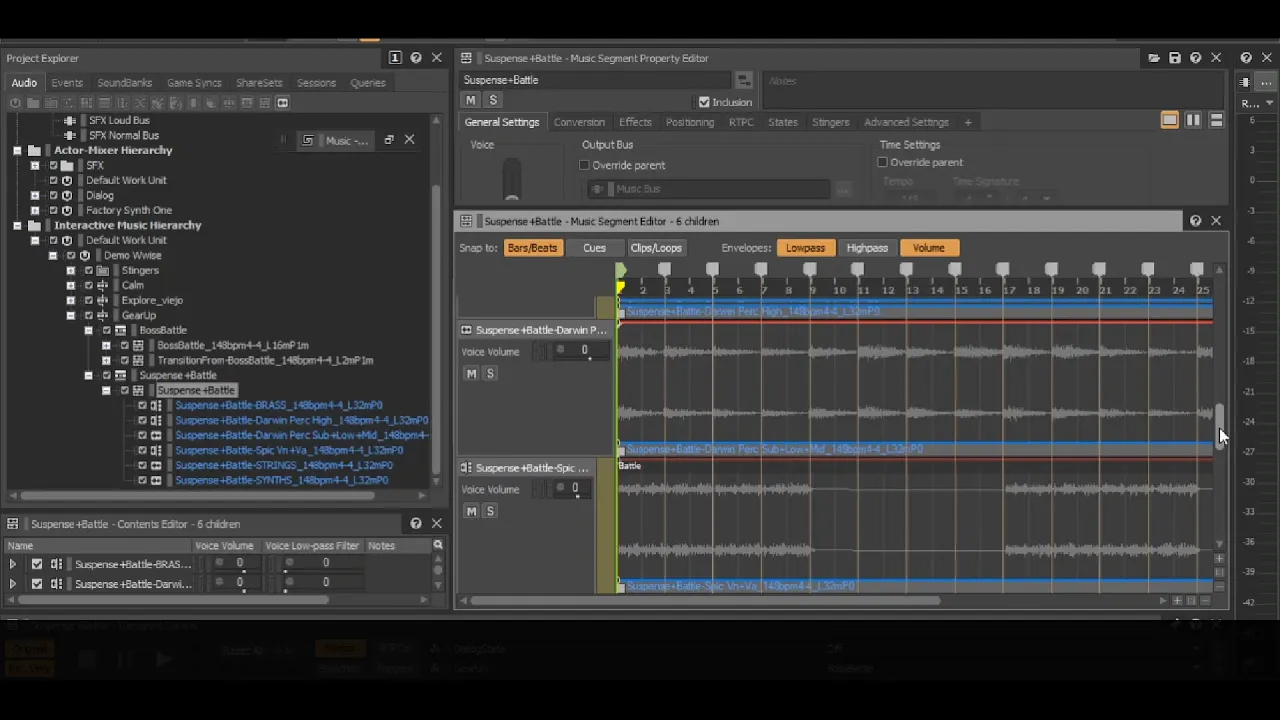

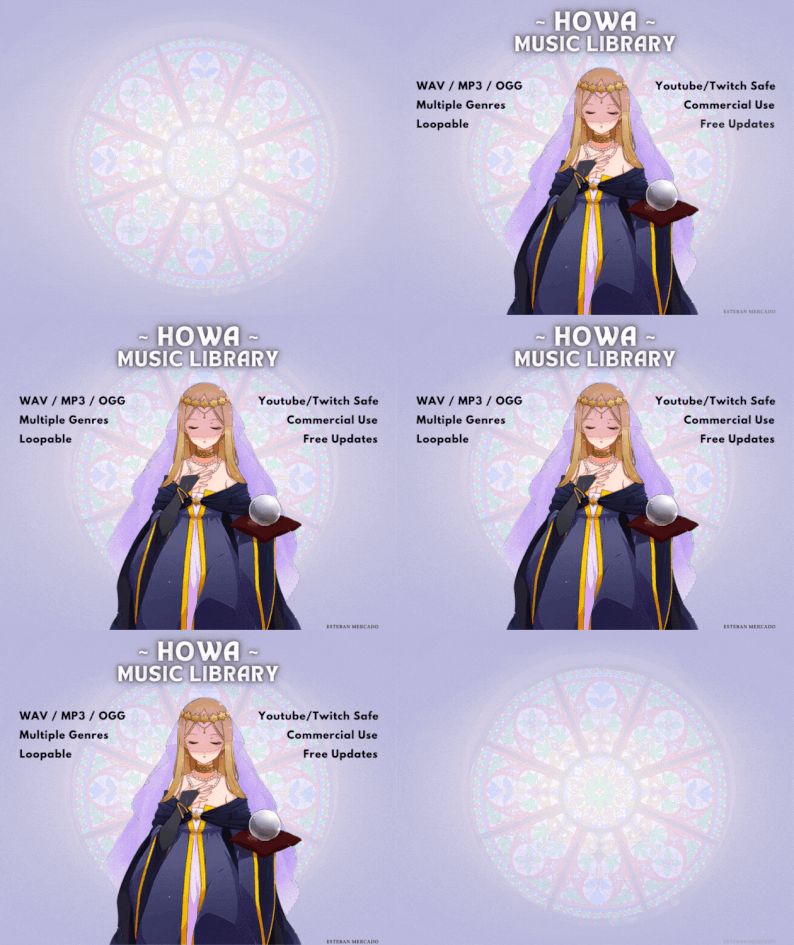
~ HOWA ~ MUSIC LIBRARY
//: music, mix, master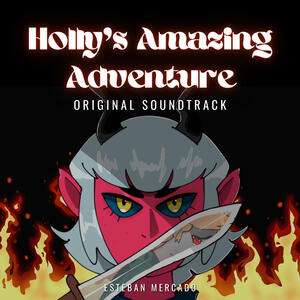
HOLLY'S AMAZING ADVENTURE
//: music, mix, master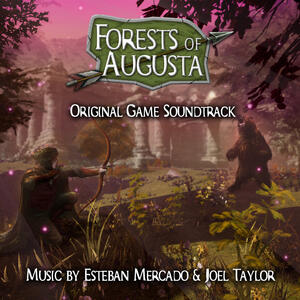
FORESTS OF AUGUSTA
//: music, mix, master![[cover] FRUITS BASKET OP2 //: guitars, mix, master](assets/images/gallery03/cd30a0e7.jpg?v=c7e816cd)
[cover] FRUITS BASKET OP2
//: guitars, mix, master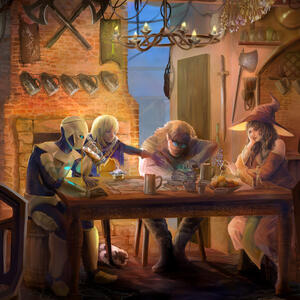
THE TAVERN OF REFLECTIONS
//: guitars & production in "Alex the Motivator"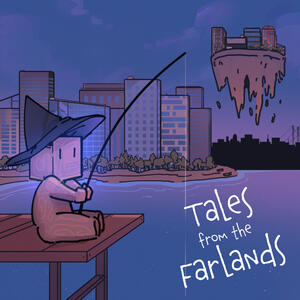
TALES FROM THE FARLANDS
//: guitar solos in "Tsukigae" & "Dragon! Fight as One!"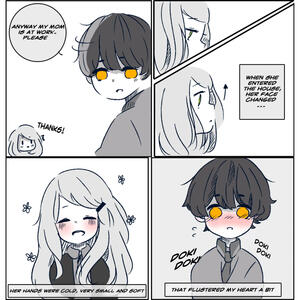
CARNATIONS
//: music, mix, master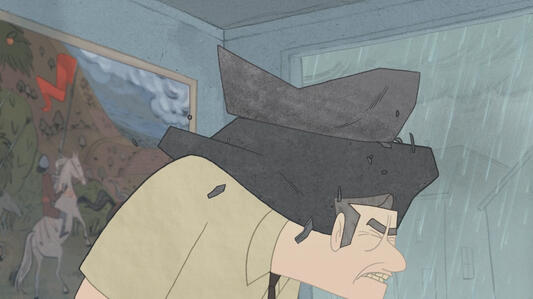
THE UMBRELLA
//: music, mix, master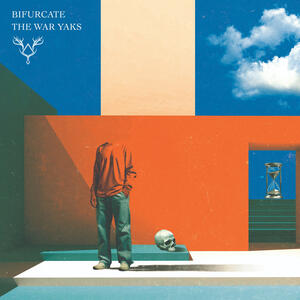
BIFURCATE
//: guitars
RESTRUCTURE
//: guitars
PROJECT ISOLATION
//: music, mix, master
FROG TYPING TONGUE
//: music